In an interview held on Monday, August 1 of the current year at ISCED-Huíla, those responsible for the project spoke about Archaeology and Botany.
André Serdouro is an archaeologist with a master’s degree from the University of Porto, Portugal, with a wide range of ongoing research projects on African affairs.
What is Archaeology?
Archaeology is the science that studies material remains of human presence, whether ancient or recent, aiming to understand the most diverse aspects of humanity. In other words, archaeology seeks to investigate the evidence or traces of past civilizations and cultures.
The term has Greek origins, Arkhé, meaning “beginning/principle” or “order/organization”, and Logia, which means “study/science”. The primary objective of archaeological investigations is to provide material evidence, with precise chronological dating, for the reconstruction of the human past. This is why this science is so important for other disciplines, such as history and anthropology.
What are the objectives of the project?
The Archaeologist explained that the objectives of the archaeological project carried out in the Huíla Commune are: “to expand and create archaeology teams“; “to understand the historical context of the Portuguese relationship with African societies“; “to record lost stations on the map“; and “to recover information to include in an archaeological map, both in physical paper and digital formats“. Since prospecting is a non-invasive task, the protocol of this project developed with this institution (ISCED-Huíla) is beneficial for students with training in archaeology, allowing them to apply this field in their daily lives.
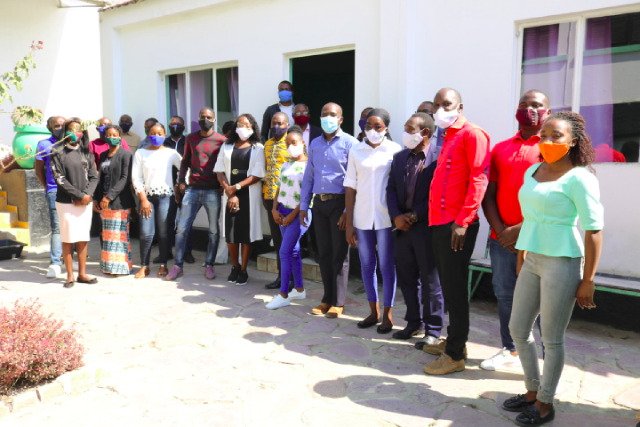
During the development of the activities, the Archaeologist expressed satisfaction with the students’ interaction and the active participation they have shown in the training, as well as the good cooperation between the institutions.
The cooperation aims to achieve a very strong impact, raising awareness of heritage value and fostering greater affinity among the general population, so that there is more connection between people and heritage, not limited only to Angola, but worldwide.